
this is general information, not medical advice.
Ergonomics and the working environment
MedlinePlus's ergonomics overview considers the task, tools and entire working environment in examining the fit between a person and a job. OSHA describes musculoskeletal disorders as involving muscles, nerves, blood vessels, ligaments and tendons. The musculoskeletal-disorder reference includes joints and structures supporting the limbs and back. The repetitive-strain reference describes repeated use, vibration, compression and sustained positions, rather than a diagnosis that can be made from a job title.
OSHA's risk-factor guidance lists excessive force, repeated tasks, awkward or prolonged postures, localized pressure, cold in combination with other factors, whole-body and hand-arm vibration, and combined exposures. Its examples include lifting, pushing, pulling, reaching above shoulder height, kneeling and squatting. OSHA says task frequency, effort, duration and posture matter. These are factors to examine in workplace operations; an association does not identify the cause of an individual's symptoms.
Research in vehicle work
In Work, the 2023 Epidemiological study of work-related musculoskeletal disorders and related risk factors among automobile maintenance workers examined workers in China using a questionnaire. Lower-back, neck and shoulder symptoms were prominent. The study identified uncomfortable postures and repetitive lower-limb and ankle movements as possible risk factors. Its findings concern the surveyed workers and associations within that sample.
The 2023 BMC Public Health review, Prevalence of work-related musculoskeletal disorders among workers in the automobile manufacturing industry in China: a systematic review and meta-analysis, found the lower back or waist was the most affected region. Reported prevalence differed with the definition used for a disorder. That definition issue and the Chinese manufacturing setting matter when interpreting the pooled finding.
Hands and wrists
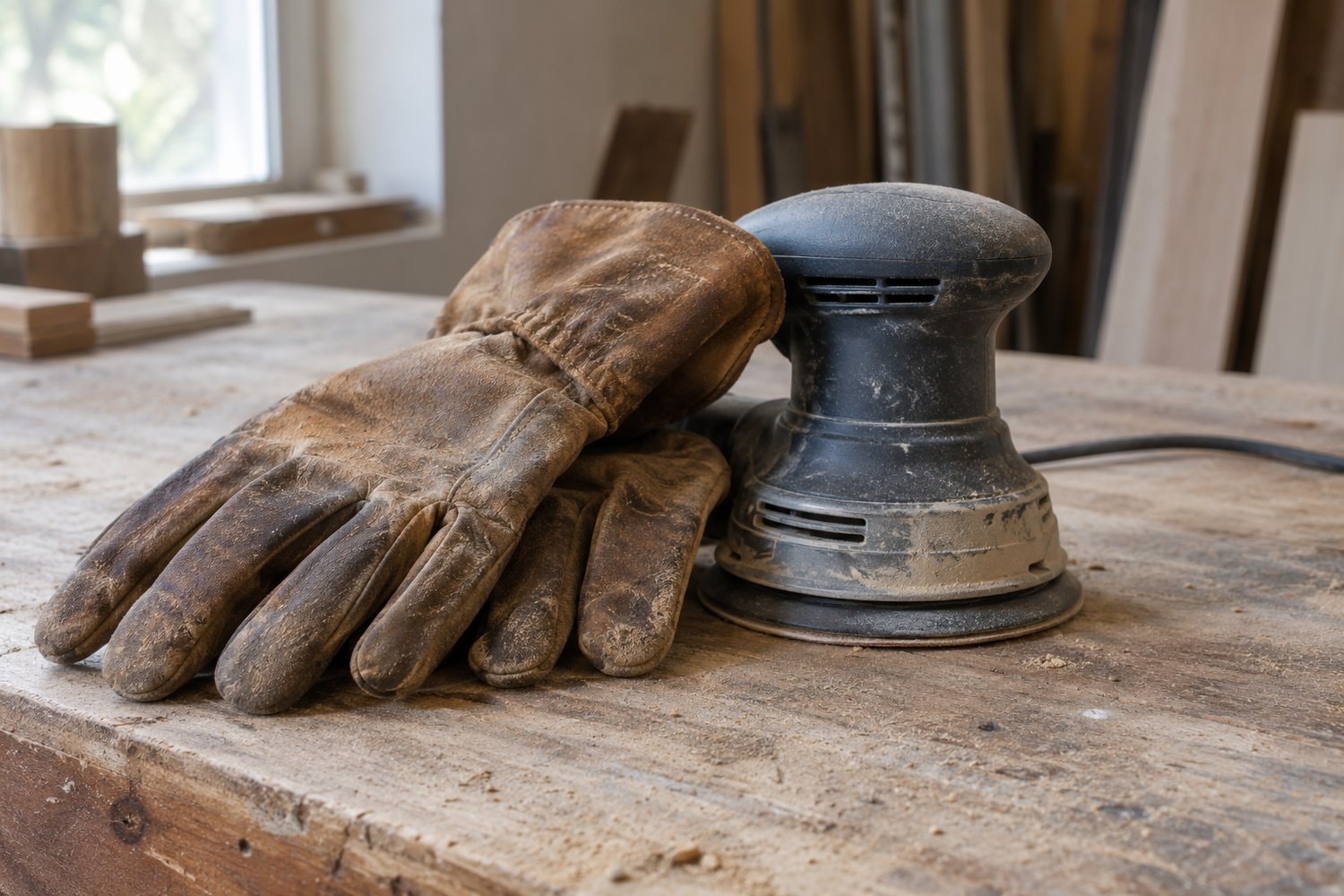
MedlinePlus describes carpal tunnel syndrome as numbness, tingling, weakness or pain associated with a squeezed nerve in the wrist. Its hand-disorders overview also covers tendon irritation, arthritis and injuries. The hand-arm vibration reference describes an occupational condition associated with vibrating hand-held machinery, involving structures such as nerves and blood vessels.
The 2023 Journal of Occupational and Environmental Hygiene review, Exposure to hand-arm vibrations in the workplace and the occurrence of hand-arm vibration syndrome, Dupuytren's contracture, and hypothenar hammer syndrome: a systematic review and meta-analysis, reported associations between workplace vibration and the selected hand disorders. Results varied substantially between studies. Most studies were cross-sectional, so the review explicitly could not draw a firm conclusion about causation.
The 2021 Vibration article, A Review of Hand-Arm Vibration Studies Conducted by US NIOSH since 2000, covered exposure measurement, hand-arm responses, biological effects and technologies for controlling exposure. The NIOSH research review identified areas needing further investigation. It described a research program, rather than an individual treatment or a guarantee about a particular tool.
Shoulders and tendons
MedlinePlus's shoulder overview describes a highly movable joint supported by muscles, tendons and ligaments. Its tendinitis overview describes swollen tendons and pain around a joint. The tendinopathy reference describes tendon disorders with pain and impaired function; the shoulder-impingement reference discusses rotator-cuff tendons and pain with overhead movement. These are general descriptions, not an explanation for every shoulder symptom.
The 2020 BMC Musculoskeletal Disorders paper, Occupational risk factors for shoulder chronic tendinous pathology in the Spanish automotive manufacturing sector: a case-control study, examined workers at a vehicle assembly company. Age, load handling and awkward postures had the strongest predictive values in that sample; hand tools, mechanical pressure and psychosocial factors also appeared. Its retrospective observational design concerns associations, rather than proving a single cause.
Backs and mechanical exposures
MedlinePlus's back-pain overview describes pain ranging from a persistent dull ache to sudden sharp pain. It distinguishes sudden-onset pain from pain that persists, and identifies severe or persistent pain as a reason for professional assessment. The general low-back-pain reference likewise describes variation in symptoms and notes that a specific underlying cause is often unidentified.
The 2023 Scandinavian Journal of Work, Environment & Health review, Occupational mechanical exposures as risk factor for chronic low-back pain: a systematic review and meta-analysis, found moderate evidence of associations with lifting or carrying loads, non-neutral postures and combined mechanical exposures. Evidence for whole-body vibration, standing or walking, and sitting was low or very low. The reviewers called for more standardized exposure definitions and measurements.
Knees, joints and osteoarthritis
MedlinePlus describes knee structures as including bone, cartilage and ligaments, with muscles and tendons contributing to movement. Its joint-disorders overview covers diseases and injuries affecting joints. The osteoarthritis overview describes cartilage becoming rough or breaking down and symptoms that vary between people. Its explanation identifies a combination of possible factors rather than a universal cause.
The 2020 Arthritis Care & Research review, Occupational Risk in Knee Osteoarthritis: A Systematic Review and Meta-Analysis of Observational Studies, reported greater odds associated with physically demanding work, including lifting, kneeling, climbing, squatting and standing. The authors rated the supporting evidence as moderate quality. The synthesis concerned observational studies and occupational groups.
The 2021 Environment International article, The effect of occupational exposure to ergonomic risk factors on osteoarthritis of hip or knee and selected other musculoskeletal diseases: A systematic review and meta-analysis from the WHO/ILO Joint Estimates of the Work-related Burden of Disease and Injury, examined factors including force, demanding posture, repetition, vibration, lifting, kneeling and squatting. It reported increased risks in exposed groups but rated the main evidence as low quality and the evidence of harmfulness as limited. Exposure was usually self-reported.
Sprains, strains and hearing
MedlinePlus distinguishes sprains and strains by the affected tissue: ligaments in a sprain, muscles or tendons in a strain. Strains can develop suddenly or over time. These definitions describe injury categories without supplying instructions for diagnosis or care.
MedlinePlus's noise overview describes hearing damage associated with loud sound or prolonged exposure. Its hearing-disorders overview includes long-term noise among possible causes of hearing loss. OSHA's occupational-noise overview describes workplace assessment and hearing-conservation programs involving exposure monitoring, hearing tests, protection and training. This places noise within the employer's safety responsibilities alongside physical-task exposures.
Interventions and their limits
The 2025 Journal of Clinical Medicine review, Efficacy of Ergonomic Interventions on Work-Related Musculoskeletal Pain: A Systematic Review and Meta-Analysis, compared ergonomic interventions with conventional conditions in randomized trials. It reported lower overall pain intensity and significant findings for some body regions, including the lower back. It found no significant improvements for thighs, arms, knees, shoulders or elbows. The authors called for further research on intervention design and long-term effectiveness.
Occupational health, rights and general activity
MedlinePlus's occupational-health overview includes repetitive-motion disorders, hearing problems and exposure-related illnesses. Occupational hygiene examines workplace hazards and exposures. OSHA's worker-rights overview describes rights to understandable safety training, safe machinery, required equipment and reporting safety concerns without punishment. These are workplace responsibilities, alongside an individual's health questions.
MedlinePlus's exercise overview describes physical activity and fitness broadly, covering aerobic, strength, balance and flexibility activity. It says appropriate activity depends on health and fitness, with a health care provider able to help assess those circumstances. That general information does not prescribe a routine for a worker or a condition.
Related technical contexts are described in composites technology, electric vehicle technology, environmental technology and mechatronics.